Your Morning Ritual Might Be Working Against You: The Real Science of Mixing Cannabis and Caffeine
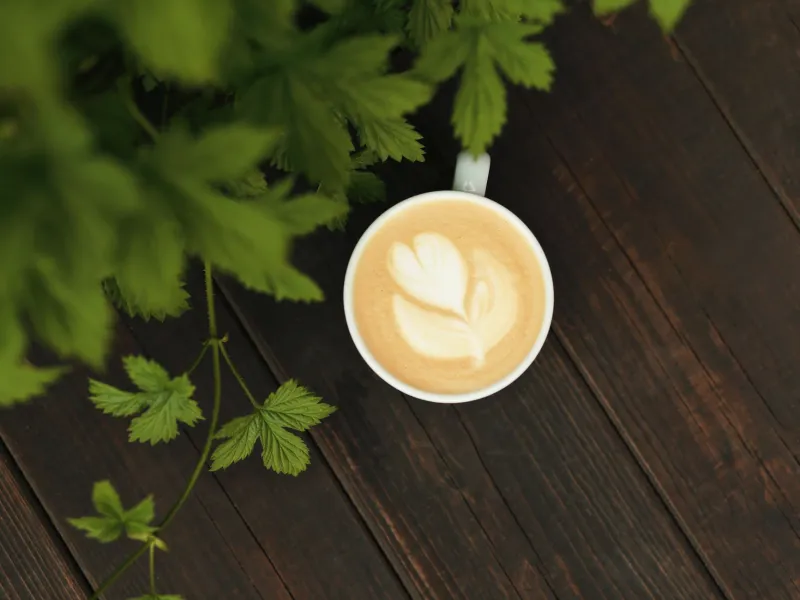
Two Beloved Substances, One Complicated Relationship
Let's be honest: the "wake and bake with a latte" vibe has taken on a whole new meaning in the age of legal cannabis. Walk into any dispensary in Denver, Portland, or Los Angeles and you'll hear budtenders fielding questions about morning strains to pair with coffee. Scroll through wellness TikTok and you'll find influencers hyping the "sativa and cold brew" combo like it's the new biohacking frontier.
But here's the thing nobody's really talking about: combining cannabis and caffeine isn't just a matter of personal preference. There's actual physiology happening under the hood — and for a lot of people, that physiology is quietly sabotaging their day.
This isn't a "cannabis is bad" story. Far from it. It's a "know what you're putting in your body" story, which is kind of the whole point of building a thoughtful wellness practice.
How Caffeine Actually Works (Quick Refresher)
Caffeine is a stimulant that works primarily by blocking adenosine receptors in the brain. Adenosine is a neurotransmitter that builds up throughout the day and makes you feel progressively sleepier. When caffeine blocks those receptors, you feel more alert and energized — at least until the caffeine wears off and all that adenosine comes flooding back at once. Hello, afternoon crash.
Caffeine also triggers a mild release of dopamine and adrenaline, which is part of why that first cup feels so good. It raises your heart rate slightly, sharpens focus, and in moderate doses, it's genuinely useful for cognitive performance.
Where Cannabis Enters the Picture
Cannabinoids — particularly THC and CBD — interact with the endocannabinoid system (ECS), a vast network of receptors that helps regulate mood, sleep, appetite, stress response, and a whole lot more. THC binds directly to CB1 receptors in the brain, producing its psychoactive effects. CBD works more indirectly, modulating the ECS without producing a high.
Here's where it gets interesting from a biochemistry standpoint: THC has a documented effect on dopamine release. So does caffeine. When you stack both substances, you're essentially doubling down on dopaminergic stimulation — and that's not always a good thing.
Research from institutions like the University of Bordeaux has found that cannabinoids can actually modulate adenosine receptors, the same receptors caffeine targets. Some studies suggest that certain cannabinoids may increase adenosine signaling, which would work in direct opposition to what caffeine is trying to do. The result? An unpredictable push-pull on your neurochemistry that can manifest as brain fog, restlessness, or that weird feeling where you're somehow wired and sluggish at the same time.
The Anxiety Amplification Problem
For a significant chunk of cannabis users — especially those sensitive to THC — anxiety is already a risk factor. High-THC strains, low tolerance, or the wrong setting can tip someone into an anxious headspace pretty quickly.
Caffeine, as a stimulant, raises cortisol and activates the body's sympathetic nervous system. For most people in moderate doses, this is manageable. But when you layer THC-induced anxiety on top of caffeine-driven adrenaline, the two can feed each other in a feedback loop that's genuinely unpleasant. Racing heart. Scattered thoughts. The sense that you're moving fast but going nowhere.
This combination hits harder for people who are already prone to anxiety, those who are new to cannabis, or anyone using a high-THC product without much CBD to balance it out. If you've ever felt inexplicably panicked after a morning session with your coffee, this interaction is likely why.
Metabolism Matters More Than You Think
There's another layer here that most people skip right past: how these substances are metabolized. Both caffeine and THC are processed primarily through the liver, specifically via the cytochrome P450 enzyme system. When two substances compete for the same metabolic pathway, the clearance rate of both can be affected.
In practical terms, this can mean THC sticks around in your system longer than expected when caffeine is also present, or that caffeine hits harder because its metabolism is slightly slowed. The exact interaction varies based on individual genetics — some people are fast metabolizers of caffeine, others are slow — but the point is that the combination is less predictable than either substance alone.
The Energy Crash Nobody Warned You About
Even if you dodge the anxiety bullet, there's still the timing problem. Caffeine's effects typically peak within 30–60 minutes and start fading after three to five hours. Cannabis, depending on the method of consumption, has its own arc — edibles can last six hours or more, while smoked or vaped flower tends to peak faster and taper off.
When these arcs don't line up, you can end up in a weird valley where the caffeine has worn off (triggering adenosine rebound fatigue) while you're still in the latter stages of a cannabis effect. The result is a groggy, low-energy state that's hard to shake — and that many people mistakenly attribute to "bad weed" or "needing more coffee," which just compounds the cycle.
Smarter Timing Strategies for People Who Want Both
None of this means you have to choose between your morning coffee and your cannabis wellness routine. It just means being a little more intentional about how you structure things.
Space them out. One of the simplest interventions is giving each substance its own window. Have your coffee first, let it peak and start to taper, then introduce cannabis. Or flip it — use a low-THC or CBD-dominant product in the morning before coffee, and save higher-THC products for later in the day when caffeine is out of the picture.
Mind your THC:CBD ratio. If you insist on combining the two, lean toward products with a balanced THC:CBD ratio or go CBD-dominant. CBD has anxiolytic properties that can help counteract the anxiety amplification that caffeine + THC sometimes triggers.
Watch your caffeine dose. Two shots of espresso and a high-THC dab is a very different experience than a single cup of drip coffee and a low-dose edible. Scaling back on one or both gives your system more room to find equilibrium.
Know your own metabolism. If you consistently feel anxious, foggy, or crash-prone when combining the two, that's useful data. Some people are genuinely more sensitive to this interaction than others, and there's no wellness prize for pushing through it.
Building a Routine That Actually Works for You
The goal of any wellness practice — cannabis included — is to feel better, not just different. The "coffee and cannabis" combo has a certain cultural appeal, and for some people with the right tolerance and product selection, it genuinely works. But for a lot of folks, the combination is creating subtle dysfunction that they've just normalized.
Paying attention to how you actually feel after your morning ritual — not just in the moment, but two, three, four hours later — is the most useful thing you can do. Keep a simple log for a week. Note what you consumed, when, and how you felt at intervals throughout the day. Patterns will emerge.
Cannabis wellness is all about using what we know about the plant to make smarter choices. And sometimes the smartest choice is just giving your coffee and your cannabis a little breathing room from each other.