Spend Smarter, Feel Better: A Cannabis Shopper's Guide to Getting Real Value
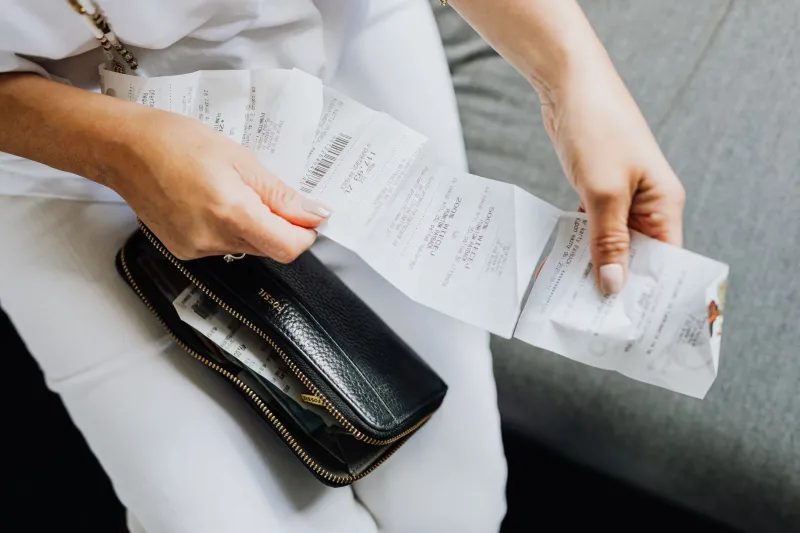
Let's be honest — legal cannabis isn't exactly cheap. Between the taxes, the licensing overhead, and the sheer number of brands competing for shelf space, a trip to the dispensary can feel a little like browsing an airport wine shop. You know something is priced higher than it needs to be, but you're not always sure what.
The good news? With a little know-how, you can build a genuinely effective cannabis wellness routine without treating your budget like an afterthought. Here's how to shop like someone who actually knows what they're doing.
What Are You Actually Paying For?
Before we talk strategy, it helps to understand what drives cannabis pricing in the first place. A few key factors:
Cultivation costs. Indoor-grown flower typically costs more to produce than sun-grown or greenhouse cannabis. That's not always a quality judgment — it's just overhead. Some of the most flavorful, terpene-rich flower on the market comes from outdoor grows.
Testing and compliance. Every legal product has to go through state-mandated lab testing. That's a good thing for your safety, but it adds to the final price tag.
Brand markup. This one's big. A significant chunk of what you pay for a premium-branded product is marketing, packaging, and positioning. The cannabis inside a $65 eighth from a glossy lifestyle brand isn't automatically better than what's in a $30 eighth from a smaller local grower — and sometimes it's the same flower under different labels.
Potency vs. quality. High THC percentages have become a kind of shorthand for "good weed," but that's a flawed metric. Terpene profiles, cannabinoid ratios, and cultivation practices matter just as much — if not more — for the actual experience. Don't let a 35% THC label convince you to overpay for something that doesn't actually work better for your needs.
Flower: Where Smart Buying Starts
Flower is usually the most cost-effective way to consume cannabis, especially if you're buying by the ounce rather than the gram. Most dispensaries offer significant per-gram savings when you buy in bulk — a half-ounce or ounce purchase can cut your effective cost by 20–40% compared to buying individual eighths.
House flower or dispensary-branded strains are another underrated option. Many dispensaries grow or source their own label product at a lower price point than the big-name brands they carry. Quality varies, but it's often worth asking your budtender what the in-house options are — they'll usually give you an honest read.
Also: don't sleep on "smalls" or "popcorn" buds. These are smaller-sized nugs from the same harvest as the premium flower, often sold at a notable discount. For grinding up and using in a pipe or vaporizer, they're functionally identical.
Concentrates: High Cost-Per-Session Efficiency
Concentrates have a reputation for being expensive, and upfront they are. But when you factor in potency and serving size, they can actually be quite economical. A gram of quality live resin or rosin, used in small dabs, can last a surprisingly long time for experienced consumers.
For wellness-focused users, solventless concentrates like rosin and ice water hash are worth understanding — they're made without chemical solvents, which some consumers prefer. They do tend to cost more, but if you're using concentrates sparingly, the price-per-session math often works out.
Budget-friendly concentrate tip: distillate and BHO (butane hash oil) options are typically cheaper than solventless products. They're not for everyone, but if you're primarily using concentrates for consistent dosing rather than flavor complexity, they get the job done.
Edibles: Price Per Milligram Is Your Best Friend
Edibles pricing is all over the place, which makes comparison shopping genuinely useful here. Instead of looking at the sticker price, do the math on cost per milligram of THC (or CBD, or whatever cannabinoid you're after).
A $25 chocolate bar with 100mg of THC is a much better deal than a $20 pack of gummies with 50mg — even though it costs more. Train yourself to think in milligrams, and you'll stop getting fooled by attractive packaging.
Homemade edibles are also worth considering if you have the time and a reliable flower source. Infusing your own butter or oil with quality flower gives you full control over dosing and ingredients, and the cost savings over time are substantial.
Loyalty Programs, Sales, and Timing
Most dispensaries run loyalty programs, and if you're a regular consumer, these are genuinely worth using. Points accumulate toward discounts, and some programs offer birthday deals, referral bonuses, or exclusive member pricing that can add up to real savings over a year.
Seasonal and holiday sales are another lever. Around 4/20, many dispensaries run their deepest discounts of the year — sometimes 20–40% off storewide. Planning a bulk purchase around these windows can be a smart move if you have a go-to product you use consistently.
Weekday deals are also common. Many dispensaries offer rotating daily specials (think "Wax Wednesday" or discounted flower on Mondays) that aren't always advertised prominently. Ask your budtender or check the dispensary's app or website.
When Premium Is Actually Worth It
None of this means you should always buy the cheapest option. There are absolutely situations where spending more makes sense:
- Specific medical needs. If you're using cannabis for a particular condition and have found a strain or product that genuinely works, that consistency has real value. Chasing deals and constantly switching products can undermine your results.
- Solventless concentrates for sensitive consumers. If you have respiratory concerns or prefer to avoid solvent residues, the price premium on rosin and ice water hash is a reasonable trade-off.
- Reliable, well-tested brands. In a market where quality control isn't perfectly uniform, a brand with a track record of consistent lab results and transparent sourcing is worth something.
The key is being intentional about when you're paying for quality versus when you're paying for a logo.
Build a Budget That Actually Works
If cannabis is a regular part of your wellness routine, treat it like any other health expense — budget for it deliberately. Figure out your average monthly usage, identify the product categories you rely on most, and look for savings in the places that matter least to your experience.
Buy bulk where it makes sense. Use loyalty programs consistently. Take advantage of sales for products you'd buy anyway. And don't let high THC numbers or slick branding push you toward spending more than you need to.
Your wellness goals don't require a premium price tag. They just require a little more attention at the checkout counter.