High and Inspired: A Real-World Guide to Finding the Cannabis Strains That Actually Fuel Your Creative Flow
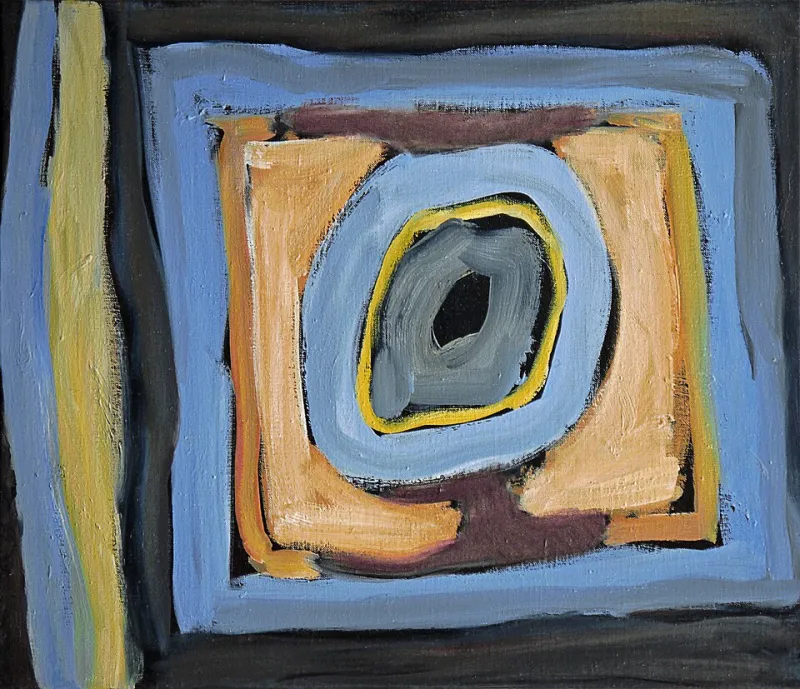
Photo: Fons Heijnsbroek, CC0, via Wikimedia Commons
The Stoner Stereotype Is Holding Creatives Back
Let's get one thing out of the way: the image of a glazed-eyed artist staring at a blank canvas isn't the whole story. Sure, the wrong strain at the wrong dose can absolutely derail a creative session. But a growing number of writers, musicians, visual artists, and designers are using cannabis very intentionally — and very successfully — as part of their creative process.
The difference between a productive session and a couch-locked afternoon usually comes down to which cannabis you're using and how much. Once you understand a few key concepts about cannabinoid profiles and terpene combinations, you can stop playing Russian roulette with your creativity and start making informed choices.
Why Some Strains Help and Some Strains Hinder
Here's the short version of the science: cannabis affects your brain through the endocannabinoid system, which plays a role in regulating mood, memory, and — critically for creatives — divergent thinking. Divergent thinking is the brain's ability to generate lots of ideas and make unexpected connections. Studies, including research published in Consciousness and Cognition, have found that cannabis can boost divergent thinking, particularly in people who aren't naturally high in that trait.
But here's the catch. THC is dose-dependent in a big way. Low to moderate doses can open up associative thinking and loosen mental blocks. Higher doses, especially of potent modern cultivars, tend to fragment concentration, spike anxiety, and make it genuinely hard to finish a sentence — let alone a chapter or a song.
CBD complicates things further. Higher CBD ratios tend to smooth out the anxious edge of THC, which for many people means a calmer, more sustained creative focus rather than a jittery, scattered high.
Terpenes: The Unsung Heroes of Creative Cannabis
If you've been ignoring terpene profiles on your dispensary menu, now's the time to start paying attention. Terpenes are the aromatic compounds in cannabis that contribute to effects beyond just THC percentage — and for creativity specifically, a few stand out.
Limonene has mood-elevating, energizing properties and shows up in citrusy strains. It's associated with reduced anxiety and a kind of bright mental clarity that many creatives describe as "getting out of your own head."
Pinene (specifically alpha-pinene) is linked to alertness and memory retention — pretty useful when you're trying to hold a complex idea long enough to get it onto paper or canvas.
Terpinolene appears in strains that users frequently describe as uplifting and cerebral. It's common in cultivars that have a reputation for energetic, heady effects.
Myrcene, on the other hand, is the heavy hitter of sedation. It's the dominant terpene in most Indica-leaning strains and the reason a myrcene-heavy product might feel more like a nap than a brainstorm.
The takeaway: when you're shopping for a creative-use strain, look for limonene, pinene, and terpinolene on the label. Treat high myrcene as a flag that you're in "chill out" territory rather than "make things" territory.
Sativa vs. Hybrid: Does the Old Classification Even Matter?
The sativa/indica binary has been getting a lot of well-deserved scrutiny lately. Botanically speaking, most commercial cannabis is so hybridized that the traditional categories are more marketing than science. That said, the effects associated with classic sativa-leaning cultivars — uplifted mood, cerebral energy, enhanced sensory perception — are still real, and they're largely driven by those terpene and cannabinoid profiles we just talked about.
For different creative disciplines, different approaches tend to work:
Writing and conceptual work tends to respond well to strains that enhance verbal fluency and associative thinking without completely obliterating working memory. Sativa-dominant hybrids with moderate THC (think 15–18%) and notable limonene or pinene content are a popular choice. Strains like Jack Herer, Green Crack, and Durban Poison have long-standing reputations in the writing community for exactly this reason.
Visual art and music often benefit from heightened sensory perception and a more immersive, less analytical headspace. Here, balanced hybrids — especially those with a 1:1 or 2:1 THC:CBD ratio — can help artists get into a flow state without the hyperanalytical inner critic taking over. Strains like Harlequin or ACDC blended with a small amount of a THC-forward cultivar are worth experimenting with.
Brainstorming and ideation (think: business creatives, designers, strategists) often benefits from the divergent-thinking boost of a low-dose sativa hybrid taken early in the session, followed by a CBD-dominant product to smooth out the tail end and keep the anxiety at bay.
A Framework for Finding Your Creative Sweet Spot
There's no universal answer here — individual neurochemistry, tolerance, and creative discipline all play a role. But this testing framework gives you a structured way to figure out what works for you.
Step 1: Start embarrassingly low. Seriously. If you're using cannabis for a creative purpose, begin with a dose that feels almost too small. One or two puffs from a vaporizer, or 2.5mg of a THC edible. You can always add; you can't subtract.
Step 2: Track your sessions. Keep a simple notes app log. Record the strain, the method, the dose, the time of day, and — most importantly — how your creative output actually felt during and after. Not just your subjective high, but whether you actually made things.
Step 3: Isolate variables. Change one thing at a time. Same strain, different dose. Same dose, different method. Same everything, different time of day. Creative work is already variable enough — the more consistent your testing conditions, the clearer your data.
Step 4: Pay attention to the comedown. Some strains leave you energized and productive for hours. Others produce a crash that wipes out the back half of your afternoon. Both the peak and the tail matter for creative work.
Step 5: Ask your budtender the right questions. Instead of asking for "something creative," try asking for strains with high limonene or pinene content, moderate THC, and lower myrcene. A good budtender will know exactly what you're talking about.
The Bottom Line
Cannabis and creativity have a real relationship — but it's not automatic, and it's not one-size-fits-all. The creatives who use cannabis most effectively treat it like any other tool: with intention, curiosity, and a willingness to experiment. Ditch the idea that getting higher equals getting more creative, lean into terpene profiles, and keep your doses modest. Your best work might just be waiting on the other side of a well-chosen, well-dosed session.