Your Heart Has Opinions About Your High: The Real Cardiovascular Story Behind Cannabis Use
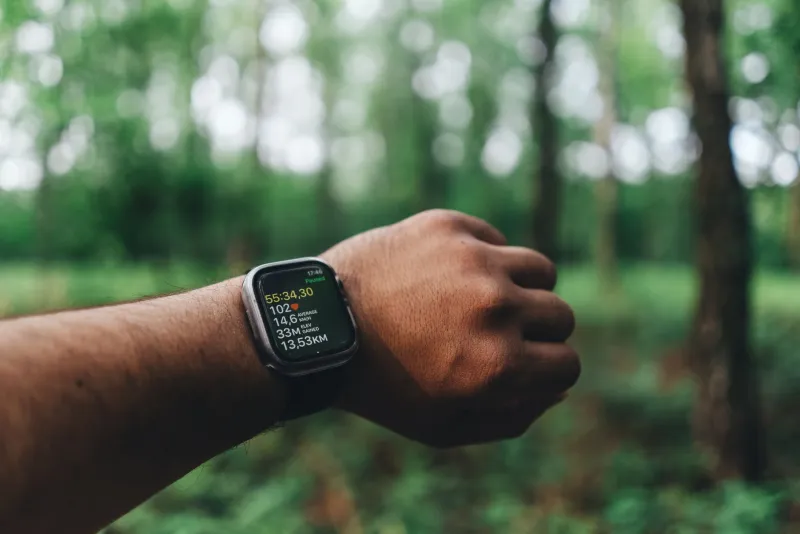
There's a particular kind of irony that cannabis consumers know well. You take a few puffs to unwind after a long day, your shoulders drop, your mind quiets down, and everything feels genuinely, deeply okay. Meanwhile, somewhere in your chest, your heart is doing the cardiovascular equivalent of running a 5K.
This disconnect — the gap between subjective calm and objective physiological response — is one of the more fascinating puzzles in cannabis science right now. And for a growing number of consumers who are serious about their long-term wellness, it's worth understanding before it becomes something you can't ignore.
What Cannabis Actually Does to Your Heart in the Short Term
Within minutes of consuming cannabis, most people experience a noticeable increase in heart rate. We're talking anywhere from 20 to 50 additional beats per minute above your resting baseline, depending on the dose, the strain, your tolerance level, and how you consumed it. This effect — called tachycardia — is driven primarily by THC's interaction with the endocannabinoid system, which influences the autonomic nervous system that regulates your heart.
Blood pressure tells a slightly more complicated story. In the immediate period after consumption, blood pressure can actually dip slightly as blood vessels dilate — which is part of why some people feel that warm, floaty sensation. But for many users, especially those who are newer to cannabis or consuming higher-THC products, a rebound spike in blood pressure can follow. And for people who already have hypertension or underlying cardiovascular conditions, that spike is worth taking seriously.
The American Heart Association has flagged this pattern in recent years, noting that the cardiovascular stress window immediately following cannabis use — roughly the first 30 to 60 minutes — is when risk is most elevated for people with preexisting heart conditions.
Why You Feel So Good While Your Body Is Working Overtime
Here's the thing: cannabis is genuinely doing something real for your nervous system. THC activates CB1 receptors in the brain, triggering dopamine release and reducing activity in the amygdala — your brain's threat-detection center. That's not a placebo. That's pharmacology. So the relaxation you feel is legitimate.
But your cardiovascular system operates on a different set of signals. The same THC that tells your brain "everything is fine" is simultaneously activating receptors in your heart and blood vessels that increase cardiac workload. It's essentially two systems receiving different memos from the same compound.
This is also why experienced consumers sometimes miss the signs of cardiovascular stress entirely. If you've been using cannabis regularly for years, you've likely adapted to the subjective experience of a faster heartbeat. It no longer feels alarming. But your heart doesn't care how comfortable you are with the sensation — it's still working harder than it would be otherwise.
Does Consumption Method Change the Equation?
Absolutely, and this is where consumers have real agency. Smoking cannabis — whether flower or concentrates — delivers THC to the bloodstream almost instantly and tends to produce the sharpest cardiovascular spikes. The combustion byproducts also introduce carbon monoxide into the equation, which reduces the blood's oxygen-carrying capacity and puts additional strain on the heart.
Vaping sits in a middle zone. You lose the combustion issue, but the rapid absorption profile is similar to smoking, so the heart rate and blood pressure effects are still pretty acute.
Edibles are the most interesting case. Because THC is metabolized through the liver before hitting the bloodstream, the onset is slower and the cardiovascular spike tends to be more gradual and less dramatic. However, the duration is longer, and because many consumers underestimate edibles and end up taking more than intended, overconsumption is a real risk — and higher doses mean more pronounced cardiovascular effects.
Topicals, for what it's worth, don't meaningfully enter the bloodstream at therapeutic doses, so they're essentially off the hook from a cardiovascular standpoint.
What the Research Is Saying Right Now
The honest answer is that the long-term cardiovascular picture is still being written. Cannabis research has historically been hampered by federal prohibition in the US, which made large-scale, well-funded studies difficult to conduct. That's changing, but slowly.
What we do have is a growing body of observational data. A study published in the Journal of the American Heart Association found that regular cannabis users had higher rates of heart attack and stroke compared to non-users, even after controlling for tobacco use. Other research has linked heavy, long-term cannabis use to a condition called cannabis-associated arteriopathy, a narrowing of blood vessels that can reduce circulation.
On the flip side, CBD — the non-psychoactive cannabinoid — has shown some genuinely promising cardiovascular properties in early research, including potential anti-inflammatory and vasodilatory effects. The entourage effect complicates things further: whole-plant products with balanced THC-to-CBD ratios may behave differently than high-THC isolates. But we don't yet have the clinical trials to say that definitively.
Who Should Be Paying Closest Attention
If you're a healthy adult in your 20s or 30s with no cardiovascular history, occasional or moderate cannabis use is unlikely to cause lasting damage based on current evidence. Your heart will spike, it will recover, and life will go on.
But if any of the following apply to you, this conversation becomes significantly more important:
- You have diagnosed hypertension or high blood pressure. Cannabis can interact unpredictably with antihypertensive medications and may temporarily counteract their effects.
- You have a history of heart disease, arrhythmia, or have had a cardiac event. The first hour after cannabis consumption is a documented risk window.
- You're over 55. Cardiovascular resilience decreases with age, and the heart's ability to handle acute stress — including THC-induced tachycardia — diminishes.
- You smoke cannabis heavily and regularly. The cumulative exposure to combustion byproducts is its own separate concern, independent of THC.
If you fall into any of these categories, the move isn't necessarily to quit cannabis entirely — but it absolutely means having a real conversation with your doctor and considering lower-THC products, edibles over smoking, and more conservative dosing.
Practical Steps for the Cardiovascular-Conscious Consumer
You don't have to choose between cannabis and your heart health, but you do have to be intentional. A few things worth building into your routine:
Track your resting heart rate. Wearables like Apple Watch or Fitbit make this easy. Knowing your baseline gives you something meaningful to compare against.
Experiment with consumption methods. If you've been a flower smoker for years, trying low-dose edibles or a high-CBD vape might deliver the wellness benefits with a softer cardiovascular footprint.
Start low, go slow — always. This is especially true with edibles. The number of people who've ended up in urgent care convinced they were having a heart attack after eating too much of a cannabis gummy is genuinely not small.
Don't combine with stimulants. Mixing cannabis with caffeine, pre-workout supplements, or other stimulants stacks cardiovascular stress in ways that aren't well-studied and probably aren't smart.
Get regular blood pressure checks. If you're a regular consumer, knowing your numbers isn't optional — it's basic wellness maintenance.
The Bottom Line
Feeling good isn't the same as being well, and cannabis is a vivid illustration of that distinction. The subjective experience of calm and the objective reality of cardiovascular strain can coexist — and often do. That doesn't make cannabis dangerous for everyone, but it does make it something worth understanding honestly rather than assuming your body is fine just because your mind feels great.
The wellness-forward approach isn't to ignore the data or catastrophize it. It's to use it. Know your body, know your numbers, and make consumption choices that actually align with the long-term health you're working toward.