Beyond the Numbers: How the Full Cannabis Plant Works Together for Better Wellness
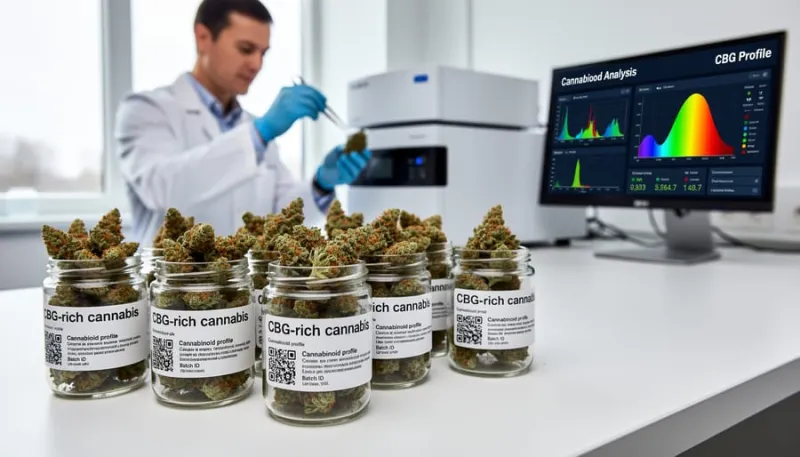
Photo: cannabis terpenes lab testing cannabinoids wellness, via mycbdstory.ca
Walk into any dispensary in America right now and you'll notice something almost immediately — customers gravitating toward the products with the highest THC percentages. It's an understandable instinct. We're conditioned to think bigger numbers mean better results. But here's the thing: chasing THC alone is a little like judging a meal by its calorie count. Sure, it's one data point, but it tells you almost nothing about the actual experience.
At CannabisCo Wellness, we've been digging deep into the science of how cannabis actually works in the body — and the research keeps pointing to the same conclusion. The whole plant is greater than the sum of its parts.
What Is the Entourage Effect, Really?
The term "entourage effect" was first introduced by Israeli researchers Shimon Ben-Shabat and Raphael Mechoulam back in 1998. Their work suggested that cannabinoids don't work in isolation — they're supported and modulated by other compounds in the plant. Think of it less like a solo act and more like a full band. THC might be the lead vocalist, but without the rest of the ensemble, the performance falls flat.
In practical terms, this means a product testing at 18% THC with a rich, complex terpene profile and meaningful levels of CBD, CBG, or CBN could deliver a far more nuanced and effective experience than a concentrate sitting at 35% THC with next to nothing else going on.
Researcher Ethan Russo expanded on this concept in a landmark 2011 paper published in the British Journal of Pharmacology, arguing that terpenes and cannabinoids work together to enhance therapeutic outcomes and potentially reduce unwanted side effects. His findings have since become foundational reading in cannabis science circles.
The Cannabinoid Cast: Who's Playing What Role
Most of us know THC (tetrahydrocannabinol) as the compound responsible for the high. CBD (cannabidiol) has earned its own celebrity status for its non-intoxicating, potentially calming properties. But the cannabis plant produces over 100 distinct cannabinoids, and several of the lesser-known ones are worth paying attention to:
- CBG (cannabigerol): Often called the "mother of all cannabinoids" because other cannabinoids are synthesized from its acidic form. Preliminary research suggests potential anti-inflammatory and focus-supporting properties.
- CBN (cannabinol): Typically found in aged cannabis, CBN is mildly psychoactive and has been associated anecdotally with sedative effects — making it a popular addition to nighttime products.
- THCV (tetrahydrocannabivarin): A structural cousin of THC that may actually reduce appetite rather than stimulate it. Strains like Durban Poison are naturally higher in THCV.
- CBC (cannabichromene): Non-intoxicating and potentially mood-supportive, CBC may also play a role in the entourage effect by interacting with receptors outside the traditional endocannabinoid system.
None of these compounds work in a vacuum. Their effects shift depending on what else is present in the product you're consuming.
Terpenes: The Unsung Heroes of Your Cannabis Experience
If cannabinoids are the band, terpenes are the sound system — they shape and amplify everything. Terpenes are aromatic compounds found throughout the plant kingdom, and cannabis produces them in impressive variety. They're responsible for why one strain smells like a citrus grove and another like a pine forest.
But terpenes do more than create a pleasant nose. Research suggests they interact with cannabinoid receptors and other biological systems in ways that meaningfully shape your experience:
- Myrcene: The most common terpene in cannabis. Associated with earthy, musky aromas and commonly linked to relaxing, sedative effects. Found heavily in indica-leaning strains like OG Kush and Granddaddy Purple.
- Limonene: That bright, citrusy scent you notice in some sativas? That's limonene. It's been studied for potential mood-elevating and stress-relieving properties.
- Linalool: Shared with lavender, linalool carries floral notes and is associated with calming, anxiety-reducing effects.
- Pinene: As the name suggests, this one smells like a pine forest. Interestingly, some research suggests pinene may help counteract short-term memory impairment associated with THC.
- Caryophyllene: Unique among terpenes because it actually binds directly to CB2 receptors in the endocannabinoid system, functioning almost like a cannabinoid. It carries a spicy, peppery aroma and has been studied for anti-inflammatory potential.
We spoke with a Colorado cultivator who's been breeding craft strains for over a decade. "I stopped caring about maxing out THC years ago," she told us. "My whole focus now is on terpene expression. When I can get a strain dialing in a really complex terpene profile — high caryophyllene, good linalool, some myrcene — my customers come back and tell me it's the best sleep they've had in years. That's not THC doing that work."
How to Actually Read a Cannabis Lab Report
This is where things get practical. Most legal cannabis products come with a Certificate of Analysis (COA) — a lab report breaking down the compound profile. Here's what to look for beyond that THC headline number:
1. Total Cannabinoid Profile Look for a full panel, not just THC and CBD. If a product only lists THC%, be a little skeptical. A quality producer will show you the complete picture.
2. Terpene Panel This is your roadmap to the experience. Look for products that list individual terpenes with percentages. A total terpene content above 1% is generally considered aromatic and expressive; above 2% is exceptional.
3. Ratios, Not Just Numbers The ratio of THC to CBD matters. A 10:1 THC:CBD product will feel very different from a 2:1 or a 1:1. CBD is well-documented for moderating some of THC's more intense effects, making balanced-ratio products popular among wellness-focused consumers.
4. Testing Lab Credibility Not all labs are created equal. Look for ISO-accredited testing facilities and cross-reference results if you're purchasing from a brand you're not familiar with.
Putting It Into Practice: Shopping Smarter
So how does all of this change your dispensary experience? A few practical shifts:
- Tell your budtender what you're looking for — better sleep, daytime focus, social ease, pain relief — rather than asking for "the strongest thing you have."
- Ask to see the COA before purchasing, especially for flower and concentrates.
- Experiment with lower-THC, terpene-rich products if you've had anxiety or overwhelming experiences with high-potency options in the past.
- Keep a simple journal noting the strain, terpene profile, and how you felt. Patterns will emerge faster than you'd expect.
The cannabis plant has been evolving for thousands of years, developing a sophisticated chemical toolkit that we're only beginning to understand. The entourage effect isn't a marketing buzzword — it's a legitimate framework for making smarter, more intentional choices about your wellness routine. And the good news is, you don't need a science degree to use it. You just need to look past the number on the label.